
Here's what happens when Google faces an impossible choice between two masters.

My grandfather, Daddy Bob, has always been the man who I strive to be.
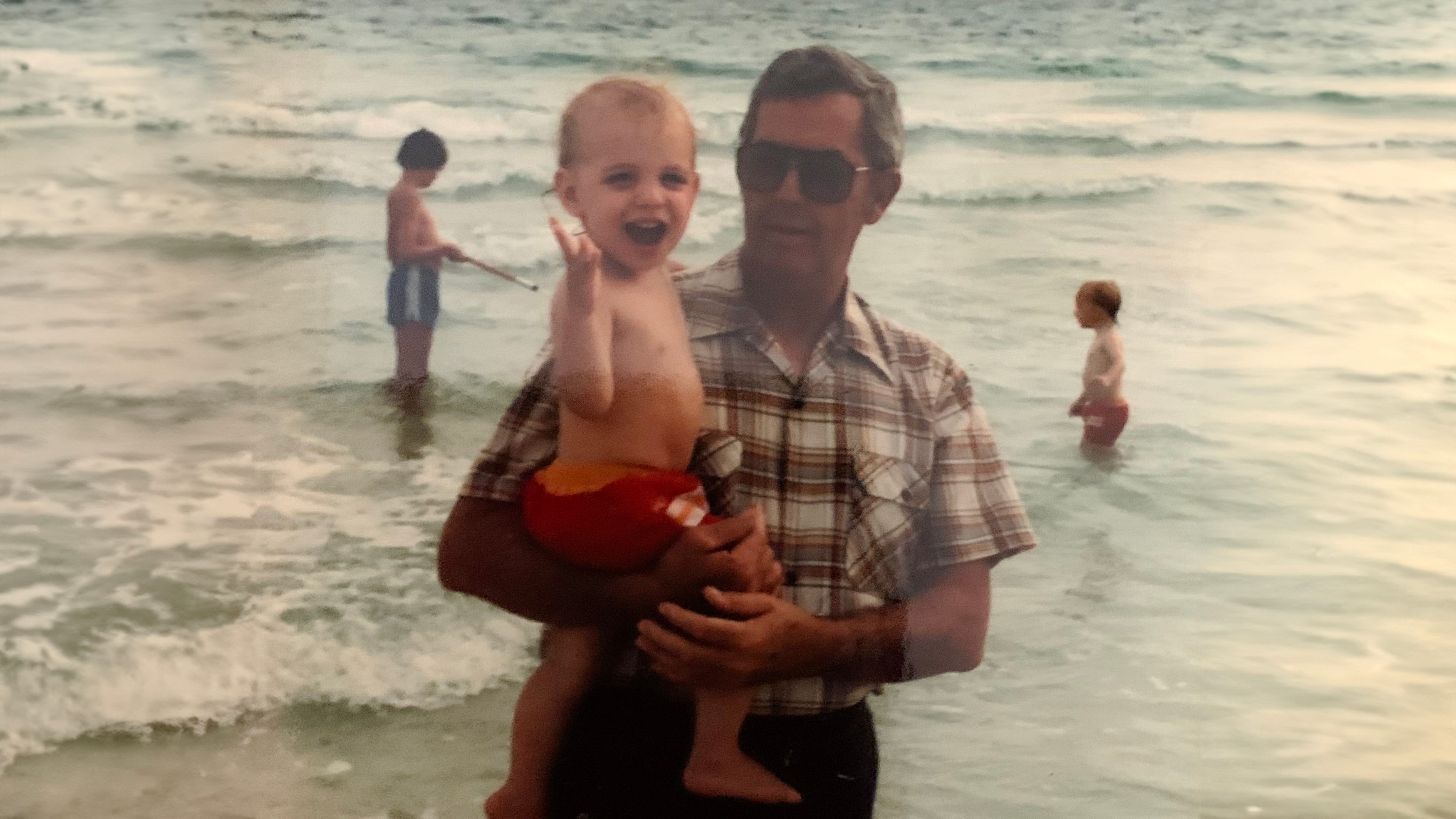
When I was growing up, I was inseparable from him. Which means I spent a lot of time with grease under my nails, learning to work on cars in his garage. Whether it was a simple oil change or a weeks-long engine swap, he let me join him.
Because of this, for most of my life, I never even considered calling a mechanic. I had the tools and the know how to handle any problem a car could throw at me.
Then I bought an electric car.
Suddenly, my toolbox became useless. The complexity to maintaining my car increased exponentially overnight. What used to be straightforward maintenance became specialized work requiring the knowledge of a specialist.
Brand visibility has undergone the same transformation.
As small business leaders, we used to handle it ourselves. A decent website, some SEO basics, maybe a blog post here and there. Simple. Manageable. Effective.
Those days are over.
The Acceleration
Six months ago, businesses began losing online visibility in a gradual fade. Traffic declined slowly. Rankings dropped bit by bit.
Today, the descent is accelerating rapidly.
The gatekeepers of Google, Meta, and ChatGPT have become relentless in eliminating brand visibility when businesses miss the mark of their new demands. There are so many rules to follow now. So many requirements to earn visibility from these platforms.
The margin for error has disappeared completely.
What changed? As I sure you can guess, it was: marketing competition.
ChatGPT started stealing significant market share from Google. The first time that's happened in basically forever. This competitive pressure created a perfect storm for small businesses.
The Perfect Trap
ChatGPT didn't have a business model to defend. They could create the most enjoyable and simple-to-use experience for users. Zero-click search became reality. Users get all the information they need without visiting a single company's website.
Google faced a different challenge.
They had to serve two masters. The tension between their B2B and B2C relationships became impossible to ignore. In Google's traditional model, what's great for consumers typically isn't great for businesses, and vice versa.
Ever wonder why news sites litter their pages with endless popup ads? That’s the tension in action.
Google's response was predictable and brutal (and lifesaving to their organization).
This response had a nasty byproduct, especially for small business… their organic brand visibility disappeared, and most entrepreneurs have no idea how to get it back. So they do the only thing they can do: spend more on paying for that visibility through ads.
Google Ads will continue having record profits. Just like they did last month.
The $29 Delusion
Meanwhile, most of us small business owners are just dabbling in AI, which makes it easy to believe that a $29/month content generation software can fix everything.
This group faces the most dangerous exposure. They're completely vulnerable to the gatekeepers making them invisible, because they don't realize how many complex rules exist to be ranked vs. erased.
Just like the traditional toolbox doesn’t work on a modern vehicle, meeting the new requirements of the gatekeepers for visibility simply isn't possible to handle internally. The complexity has grown exponentially. The stakes have become too high.
We need on-trend, novel, and continuous content across multiple formats. We need people-first web presence optimization. We need ADA compliance that's both legally required and ranking-critical.
Most small business owners are already stretched thin. Expecting them to produce this level of sophisticated content, connection, and compliance without burning out or sacrificing quality in other areas? Completely unrealistic.
The 2026 Reality
When we project this forward to 2026, the outcome becomes clear.
Small businesses who can't afford to keep feeding the Google ad machine will go under. The obvious result of an impossible situation.
But organic visibility isn't dead. It's just different.
The businesses that figure out this new version of organic visibility will have massive advantages. They'll avoid cutting into their margins through record amounts of ad placements. They'll actually create more of what consumers AND the LLMs want.
They'll survive while competitors disappear.
The difference? They'll recognize that brand visibility has become specialist work. Just like our cars. Just like so many other functions that matter in our businesses.